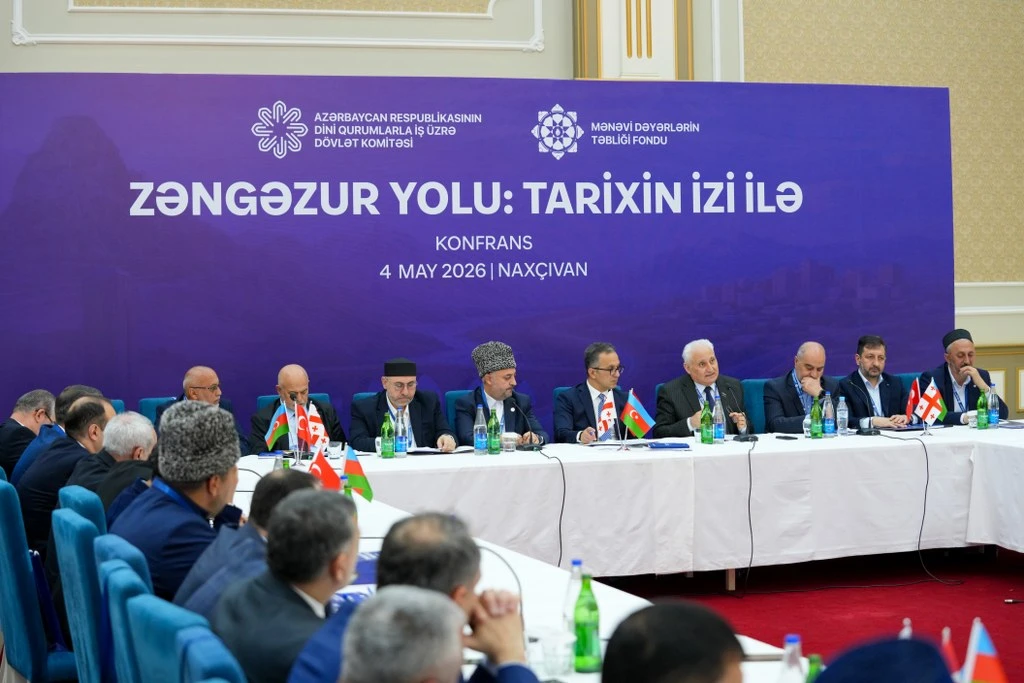
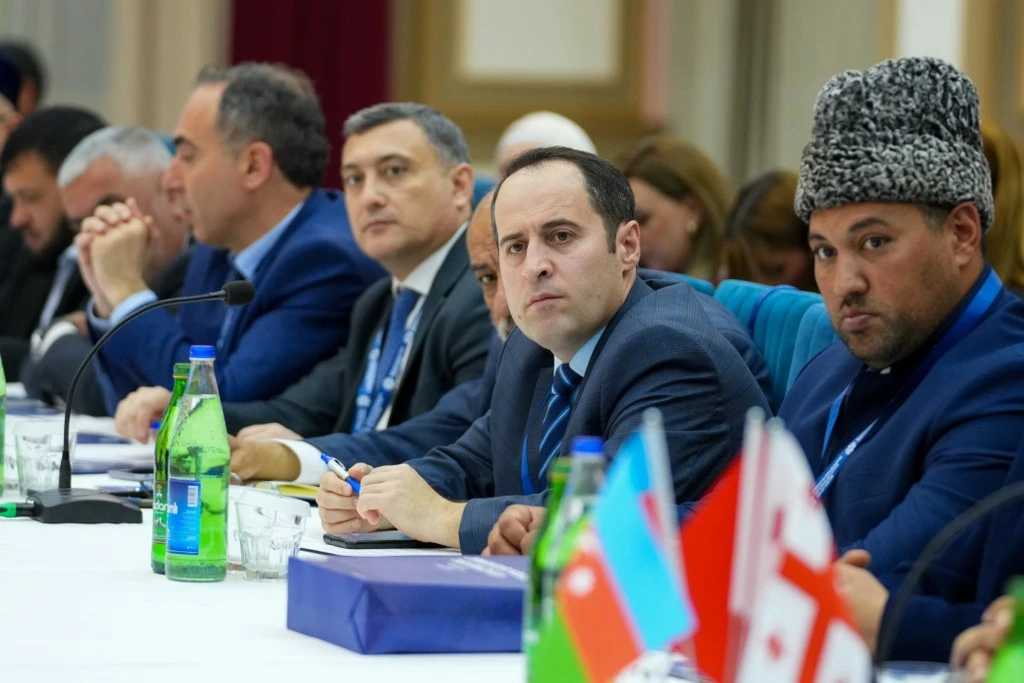
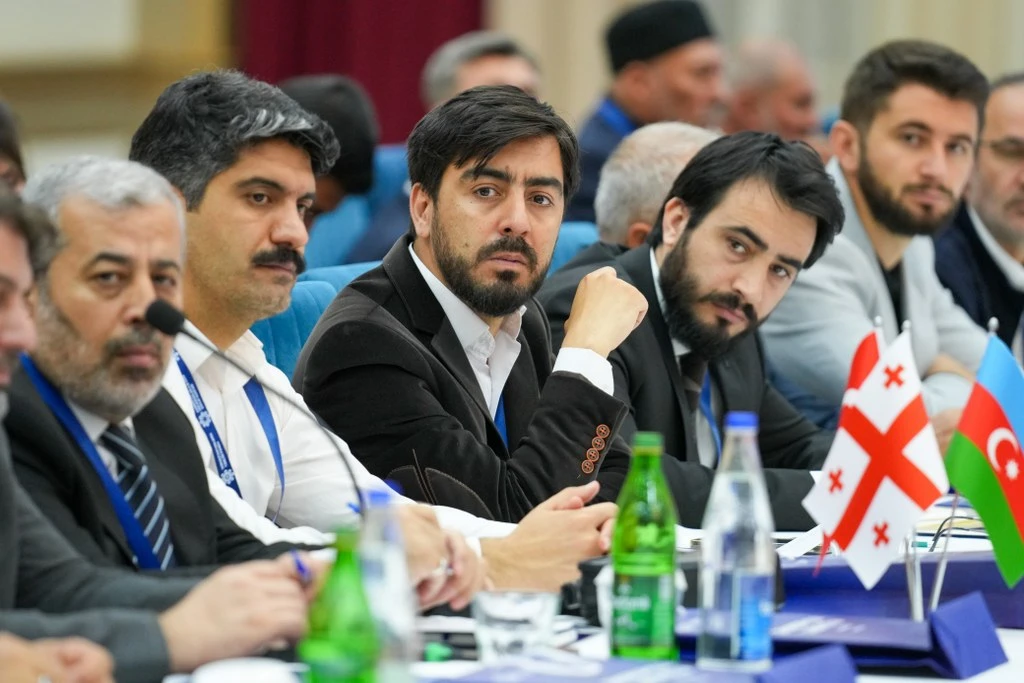
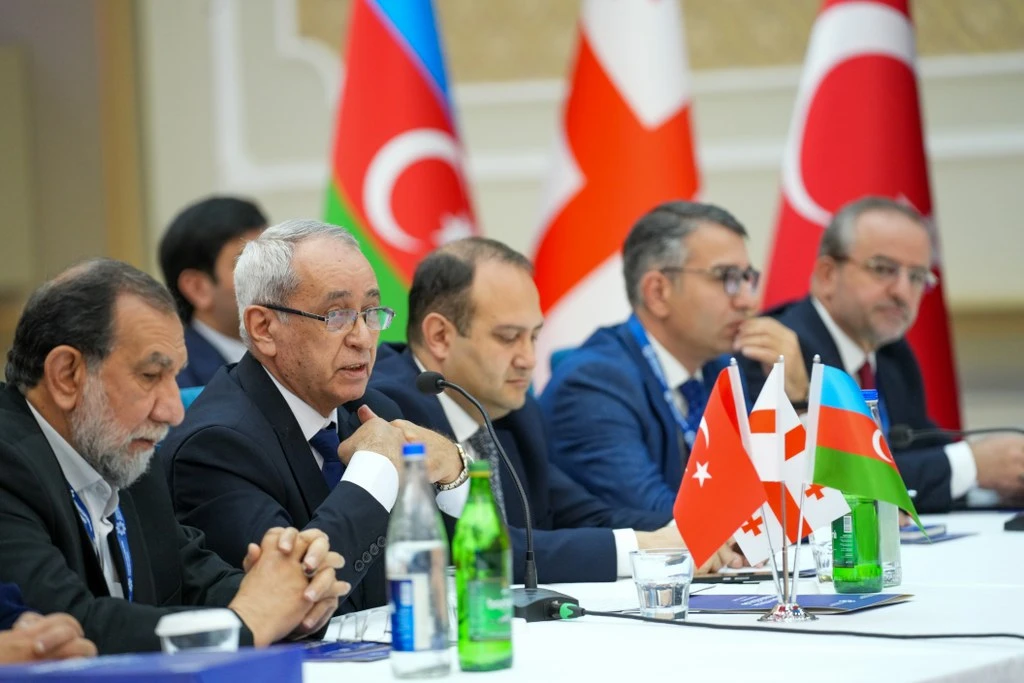
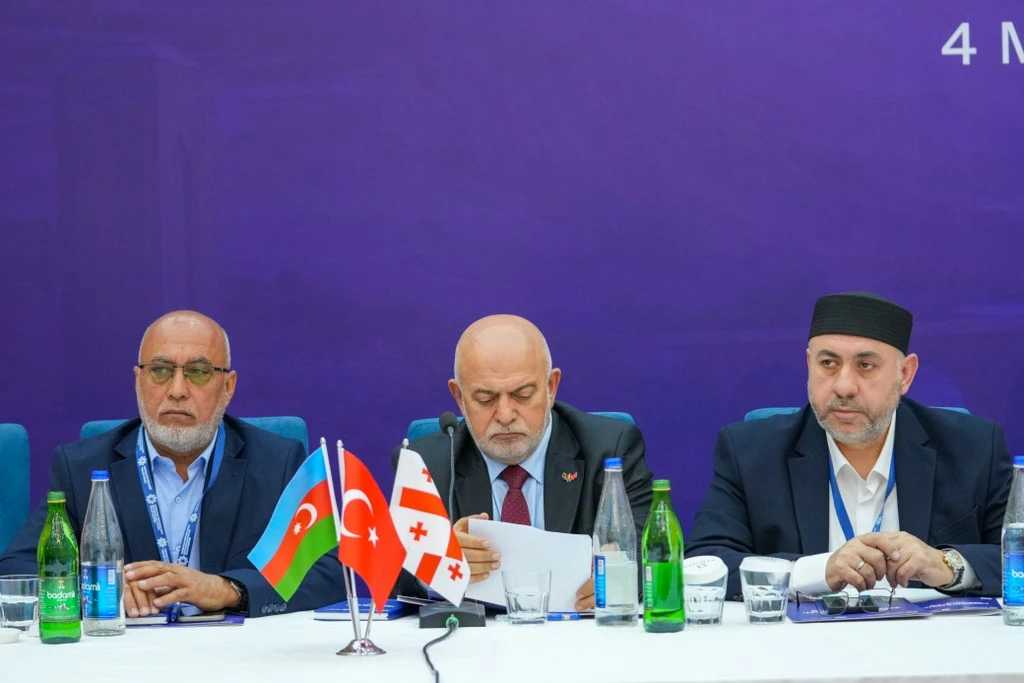
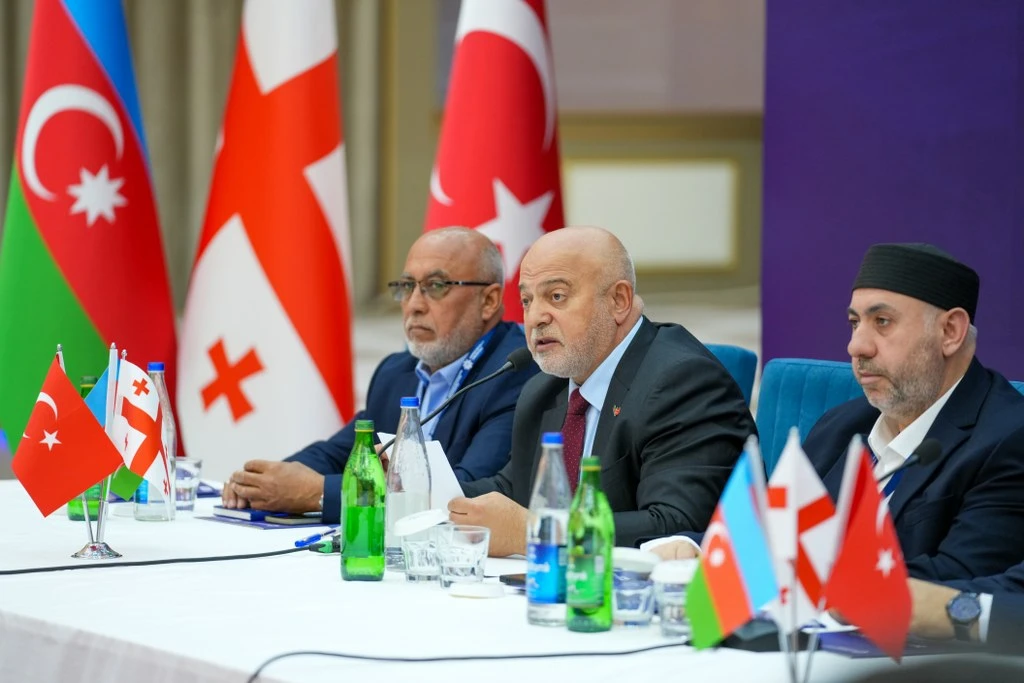
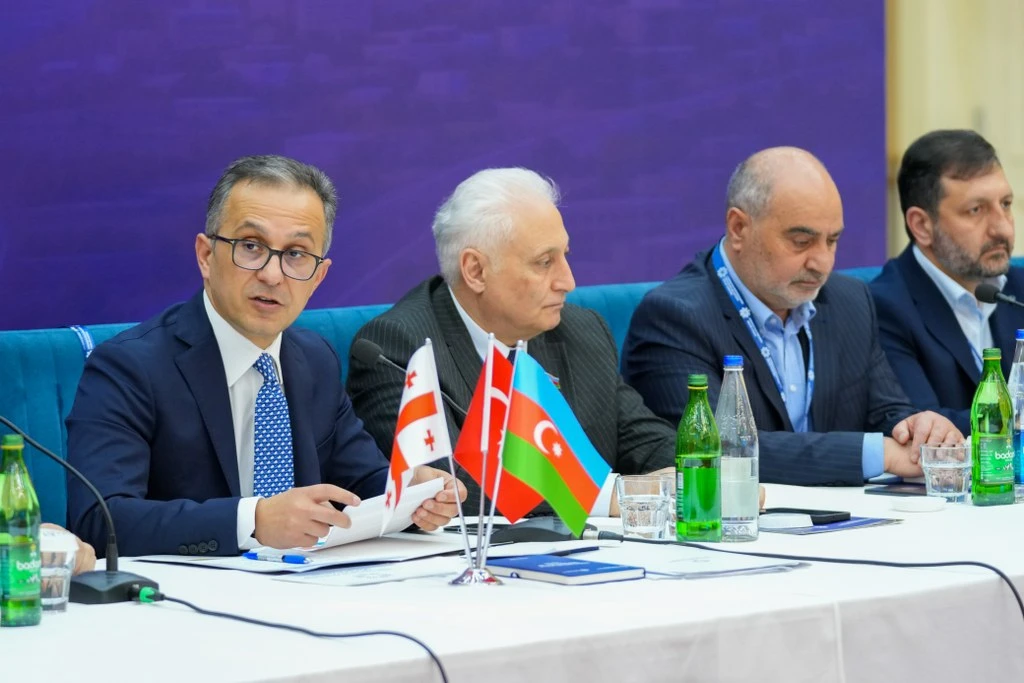
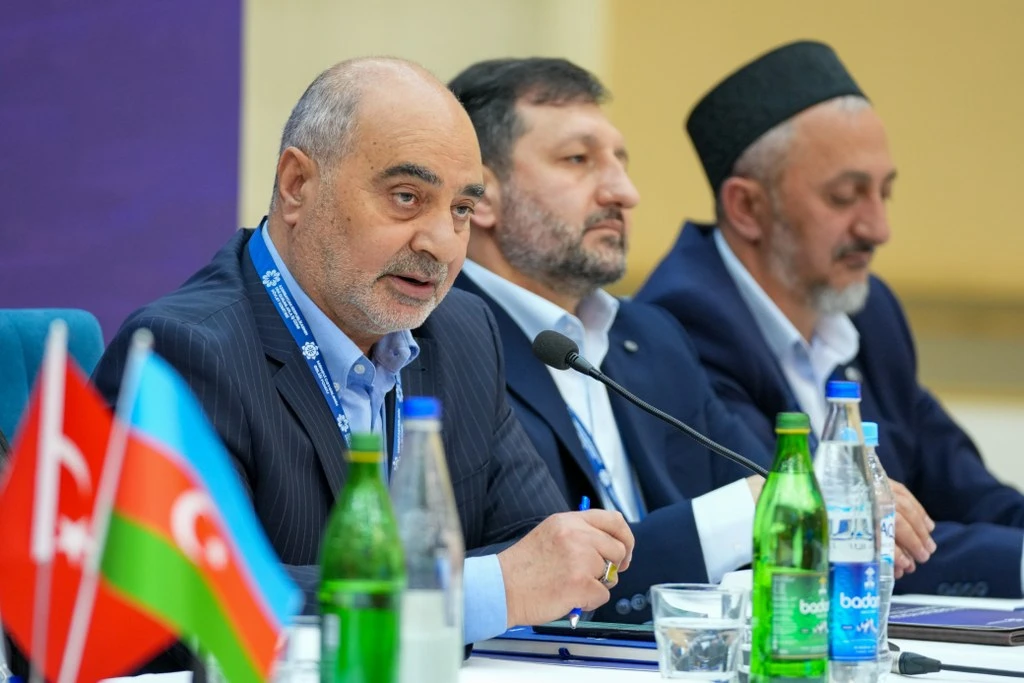
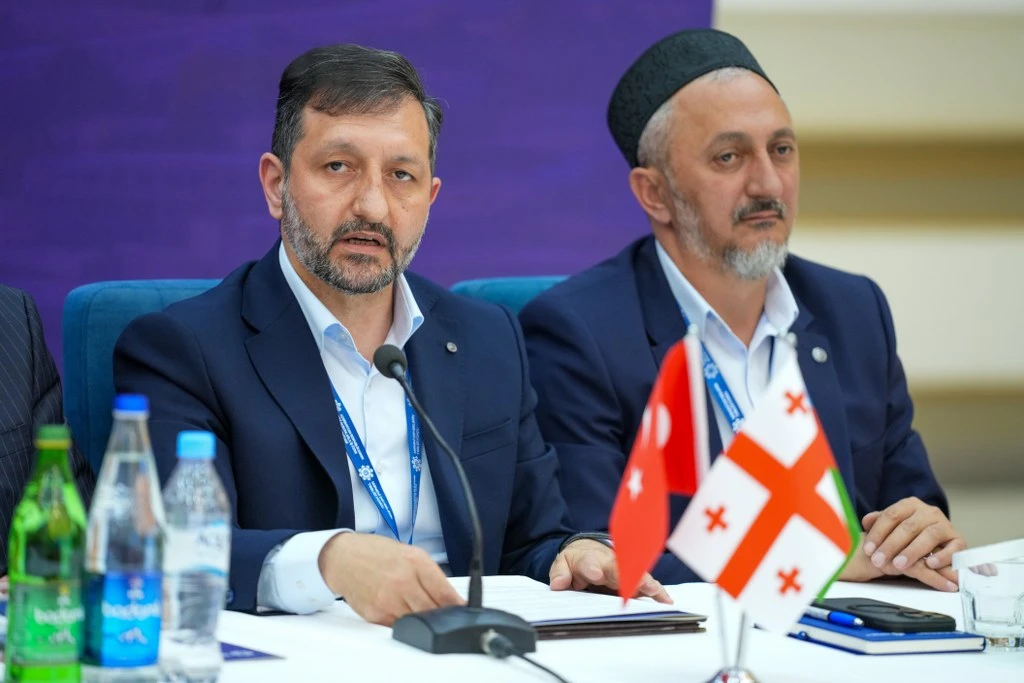
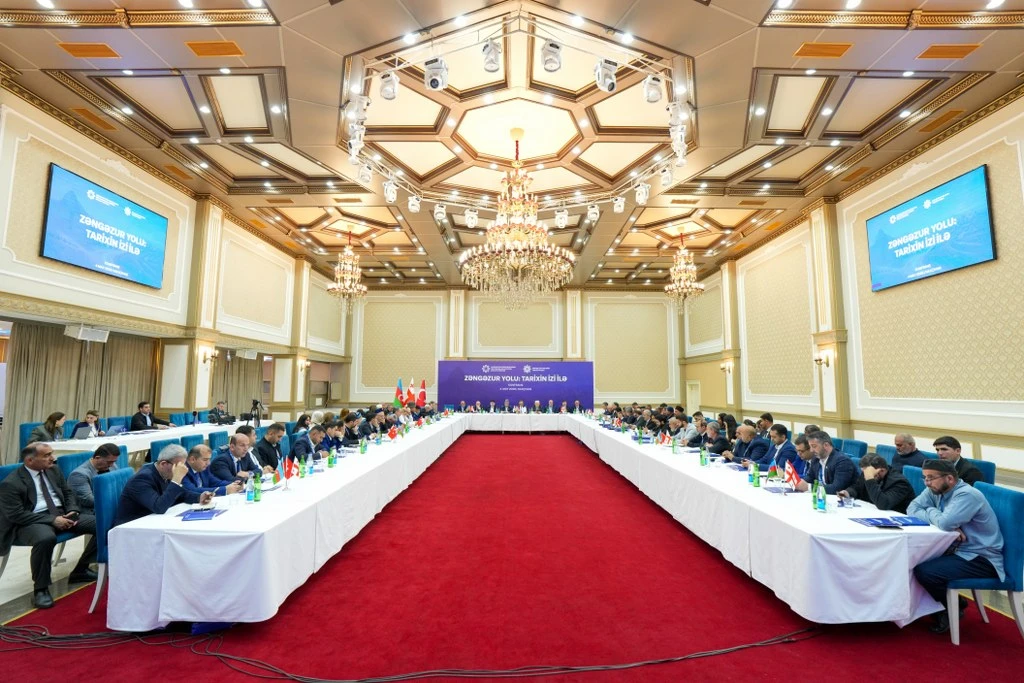
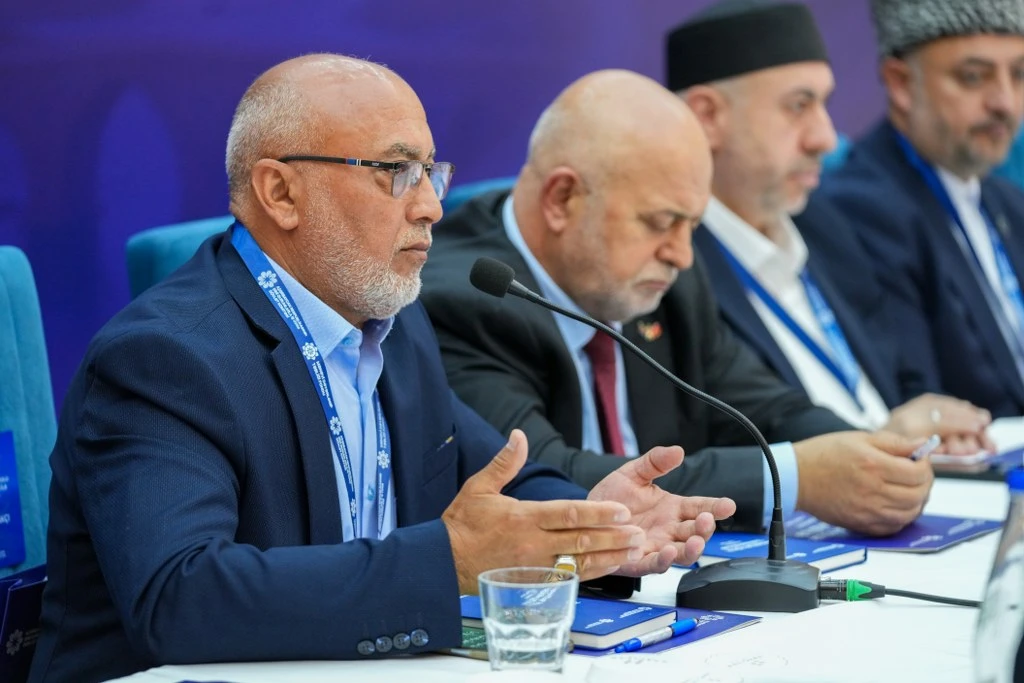
The conference on the theme "Zangezur road: in the footsteps of history," organized by the State Committee on Religious Associations of the Republic of Azerbaijan and the Moral Values Promotion Foundation in Nakhchivan, continues its work with discussions.
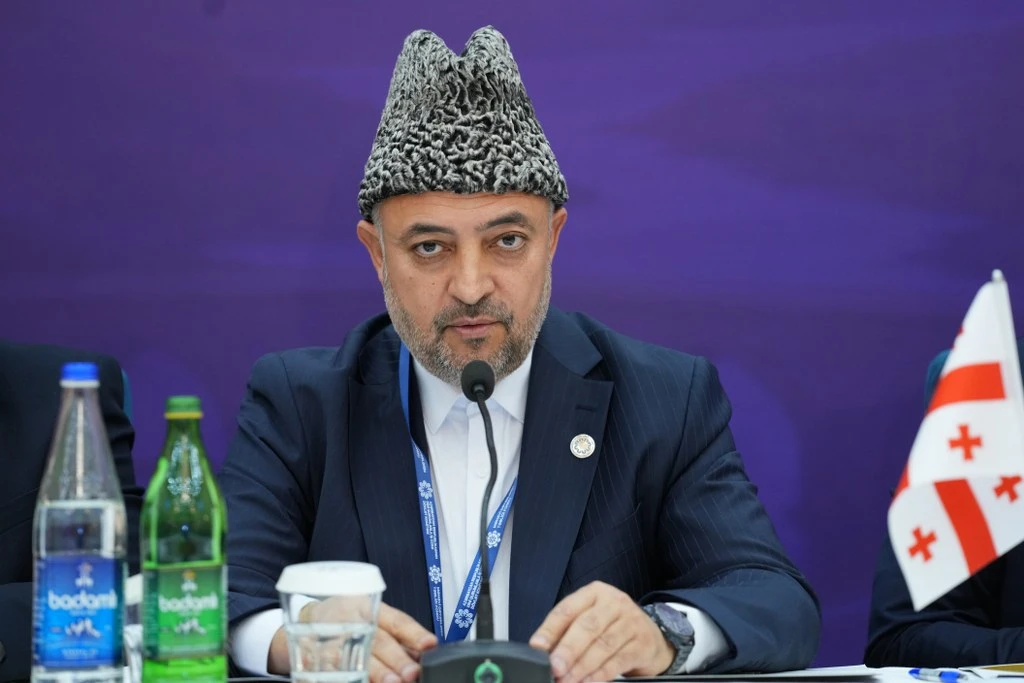
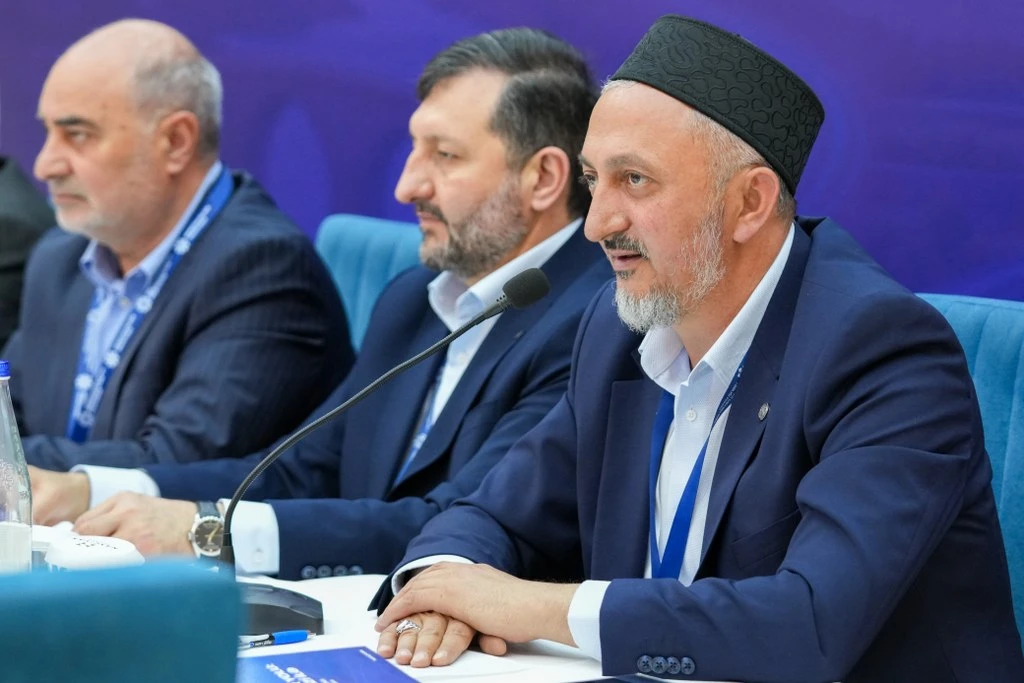
In the part of the event dedicated to the theme "Our shared values and religious solidarity: from the past to today," Deputy Chairman of the Caucasus Muslims Board and Qazi of Iravan Bakhtiyar Najafov emphasized the role of Azerbaijan's historic victories in protecting our national interests. He stated that the Great Return process, which began after the Karabakh victory under the leadership of the President of the Republic of Azerbaijan Mr. Ilham Aliyev, and the steps taken toward the restoration of the Zangezur corridor show that the strategic development line determined by Great Leader Heydar Aliyev is being successfully implemented. Drawing attention to the atmosphere of tolerance in our country, the Qazi noted that the restoration of the Gazanchi church in Shusha and the protection of the Armenian church in Baku are examples of religious tolerance. Calling the restoration of the activity of the historical Iravan Qazi office an important event, B. Najafov noted that he is proud to carry this honorable duty.
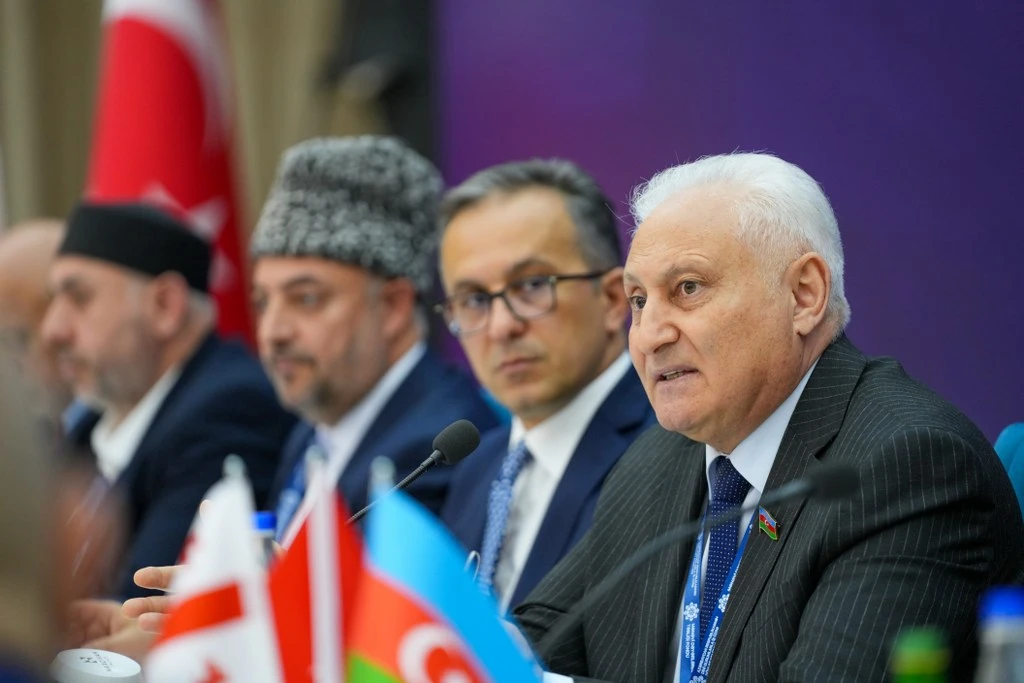
Member of the Milli Majlis of the Republic of Azerbaijan Hikmat Mammadov delivered a report on the theme "Our spiritual and cultural heritage as our common value". The Member of Parliament emphasized that in the conditions of globalization, the protection of national and religious values is of special importance. He stated that the struggle Azerbaijan has waged for national and religious identity and territorial integrity during the period of independence has once again confirmed the unity of these values. Pitting religious identity against national identity creates serious risks for society. The solidarity historically formed between the Shia and Sunni communities existing in Azerbaijan and the state's secular governance model are the main guarantors of religious stability. H. Mammadov brought to attention that the politicization of religion and foreign sectarian influences create a threat to national unity.
Nazim Mustafa, Doctor of Philosophy in History and Senior Researcher of the Western Azerbaijan History Department of the ANAS Institute of History and Ethnology, speaking on the theme "Threats against our spiritual values and the historical mission of religious figures," emphasized that the Azerbaijani people have a system of national-spiritual values based on a rich historical past, shared language, religion, and culture. He stated that these values have ensured the unity and solidarity of our people for centuries and played an important role in the protection of national identity.
Selami Aydin, Attache for Religious Services of the Consulate General of the Republic of Turkey in the Nakhchivan Autonomous Republic, drew attention to the Azerbaijan-Turkey brotherhood in his speech, noting that this unity is based on deep historical roots and common national and spiritual-religious values. He emphasized that relations built on the principle of "one nation, two states" have risen to the level of strategic alliance today and are successfully developing on the religious-spiritual plane as well. Selami Aydin stated that the Zangezur corridor is not only an economic and transport project but also a strategic bridge that unites a large geography and strengthens common historical and spiritual ties.
Ahmet Erdem, Chairman of the "Kars Ahl al-Bayt Scholars Union" Association and Imam of the Ishikli Mosque, emphasized the importance of the unity and oneness of the Islamic Ummah. He stated that existing differences should be valued not as a separation, but as an opportunity for mutual understanding and respect. Strengthening unity and solidarity is one of the most actual tasks of today.
Sheikh Faig Nabiyev of the Administration of All Muslims of Georgia emphasized that common spiritual values and religious solidarity are the spiritual roadmap of the future. Referring to the Holy Quran, he stated that differences between peoples are not for confrontation, but a divine blessing to create a common power by discovering each other. Faig Nabiyev brought to attention that religious leaders should promote ideas of dialogue in society, and that mutual respect is the main guarantee for peace and friendship in the South Caucasus to become an unshakable fortress.
Behlul Salmanli, assistant to the chairman of the "Jafari Scholars Union," emphasized the importance of unity and solidarity. Highlighting that Islam is a religion of love, tolerance, and mutual respect, he noted the importance of confirming brotherhood not only in words but in deeds and behavior. At the same time, he stated that strong faith and unity increase the power of peoples, strengthen loyalty to the Motherland, and play an important role in the protection of national values. Historical experience also shows that it is precisely thanks to unity and solidarity that peoples successfully overcome the difficulties they face.
Mufti of Eastern Georgia of the Administration of All Muslims of Georgia, Etibar Eminov, said that Western Azerbaijan has historically been an important cultural space where patriotic people tied to national and religious values were raised. He stated that in the modern era, against the background of globalization and information influences, various challenges arise against national-spiritual values. However, modernity does not mean the rejection of these values, but their preservation in accordance with the requirements of the era. In this regard, the correct guidance of youth and their enlightenment in the spirit of national and religious values is of special importance.

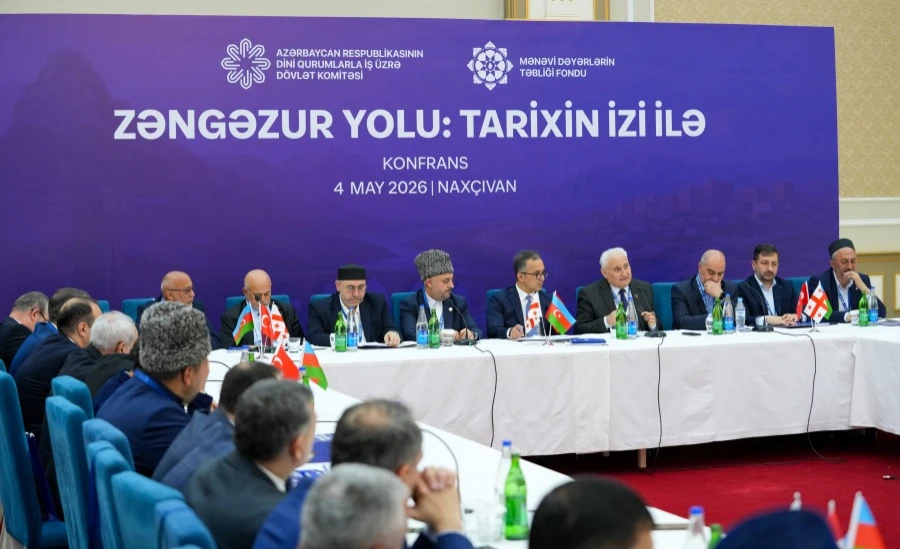
CMB Official Speaks at Important Event
- 2026-05-04
- 764